
The story of the Carter family has long been etched into the bedrock of modern American politics, political activism, and humanitarian service. When we explore the younger branches of notable public figures, figures like Errol Carter Kelly emerge as fascinating links between historical presidential legacies and contemporary youth. Born into a family defined by decades of intense civic engagement, international diplomacy, and relentless community leadership, Errol represents the fourth generation of the Carter family lineage. While many political families remain constantly under the glare of national media spotlights, the descendants of former President Jimmy Carter and First Lady Rosalynn Carter have frequently pursued lives grounded in privacy, thoughtful reflection, and practical public contribution.
To fully appreciate the background of Errol Carter Kelly, one must look closely at the immediate familial structure surrounding his upbringing. Errol is the son of Amy Carter—the youngest child and only daughter of President Jimmy Carter and Rosalynn Carter—and her second husband, John Joseph “Jay” Kelly. Amy Carter famously grew up in the White House during the late 1970s, enduring the unique pressures of childhood under national security details and press scrutiny. By the time she stepped back from the public eye to pursue art, activism, and family life, she made a deliberate choice to provide her children with a far more grounded, shielded childhood. Errol was raised in an environment that prioritized personal values, artistic freedom, and public integrity over political fanfare.
Observing how presidential families navigate life past the White House reveals a clear pattern of intentional privacy balanced with historic duty. For Errol Carter Kelly, growing up meant having direct access to grandparents who were actively reshaping what life after the presidency could look like. Rather than retreating into corporate boardrooms or lavish private estates, Jimmy and Rosalynn Carter dedicated their post-presidential years to building housing through Habitat for Humanity, monitoring democratic elections across the globe, and advocating for mental health awareness. Living under the umbrella of such a purposeful family tradition instills a quiet sense of responsibility and global perspective that naturally shapes a person’s character from an early age.
The Carter-Kelly Family Lineage and Presidential Ties
The Carter family tree is both extensive and deeply rooted in southern traditions of community engagement, public service, and civil rights. Amy Carter’s transition into motherhood marked a new chapter for the family. Following her earlier marriage and the birth of her first son, Hugo James Wentzel, Amy later married Jay Kelly and welcomed Errol into the world. This blended, loving family structure provided Errol with a diverse support system of siblings, cousins, and extended relatives who shared a unique connection to American political history. The environment nurtured inside the Kelly household prioritized creative expression and intellectual curiosity, drawing heavily from Amy’s background in fine arts and human rights advocacy.
Growing up as a grandchild of a former President of the United States carries a complex blend of distinction and anonymity. For Errol Carter Kelly, the family name brings instant recognition in political, historical, and humanitarian circles, yet his parents worked diligently to ensure that his day-to-day life remained focused on education, personal passions, and normal youth experiences. Unlike high-profile political offspring who leverage their lineage for early social media fame or public careers, Errol’s upbringing highlights the intentional boundaries set by Amy Carter and Jay Kelly. They consistently shielded their children from invasive tabloid reporting, allowing Errol to grow up without the constant pressure of external expectations.
Understanding this lineage requires looking at the profound influence of Rosalynn Carter as well. As a pioneering First Lady who championed mental health reform, caregiver support, and women’s rights, Rosalynn set a extraordinary standard for her children and grandchildren. Errol grew up witnessing firsthand how localized passion projects could scale into global movements through dedicated effort. This familial environment provided a living laboratory for civic responsibility, demonstrating that leadership is not about seeking public accolades, but about consistently showing up for others in meaningful, practical ways.
Public Appearances and National Ceremonies
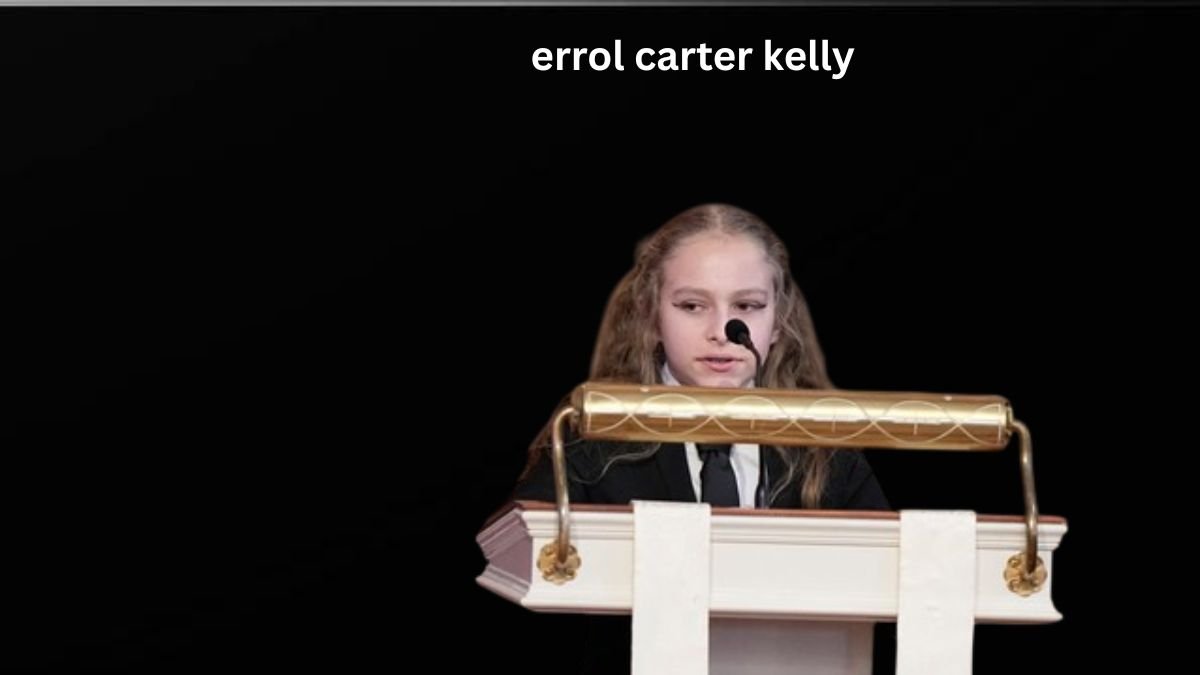
Although Errol Carter Kelly has maintained a largely private life, there have been pivotal moments where public service and family duty called him into the national spotlight. One of the most prominent of these occasions occurred in November 2023 during the memorial services for his grandmother, former First Lady Rosalynn Carter. The tribute service, held at Glenn Memorial United Methodist Church at Emory University in Atlanta, brought together former U.S. Presidents, First Ladies, international dignitaries, and members of Congress. Amidst this high-profile gathering of national leaders, the grandchildren of Rosalynn Carter played central, deeply moving roles in honoring her life and legacy.
During the solemn service, Errol Carter Kelly stepped forward to represent the family by reading scripture before the assembled congregation and international television audience. Delivering a biblical passage during a nationally televised memorial requires significant poise, maturity, and emotional strength, particularly for a young family member dealing with personal grief. Errol’s calm, reverent delivery reflected both the poise passed down through generations of the Carter family and his deep personal respect for his grandmother’s enduring legacy. The moment resonated strongly with observers around the country, highlighting the passing of the torch to a new generation.
Public ceremonies of this magnitude serve as rare windows into the personal dynamics of presidential families. For commentators, historians, and the public, seeing Errol Carter Kelly participate alongside his mother, uncles, and cousins provided a powerful reminder of the human element behind political history. It showed a family united not just by a famous surname, but by shared values, mutual devotion, and a deep commitment to honoring their matriarch. The dignity shown by Errol during these proceedings earned praise from media outlets and historians alike, cementing his place in the modern historical narrative of the Carter legacy.
Navigating Modern Youth with a Historic Legacy
Growing up in the 2010s and 2020s poses unique challenges for any teenager, but carrying a historic presidential pedigree adds an intriguing layer of complexity. For Errol Carter Kelly, balancing the reality of being part of a legendary political dynasty while carving out an independent identity requires thoughtful navigation. Modern youth culture is heavily driven by online visibility, digital self-expression, and public networking. However, Errol’s family tradition has leaned heavily toward quiet accomplishment, privacy, and authentic personal connections over digital fame.
This deliberate choice to maintain a low personal profile allows Errol to focus on foundational personal development—education, creative pursuits, and individual interests—without the overwhelming weight of public scrutiny. It reflects a broader family philosophy that success is measured by personal integrity and community contribution rather than social media metrics or public notoriety. By prioritizing real-world experiences and academic growth, Errol benefits from the privileges and wisdom of his unique lineage while preserving the freedom to define his own future on his own terms.
As society continues to reflect on the monumental contributions of Jimmy and Rosalynn Carter, interest in younger family members like Errol Carter Kelly will undoubtedly remain strong among historians and political enthusiasts. Yet, the foundation laid by his parents, Amy Carter and Jay Kelly, ensures that he approaches the world grounded, self-aware, and fully equipped to chart his own path. Whether Errol eventually chooses a career in public service, the arts, academia, or private enterprise, he carries with him an extraordinary heritage rooted in humility, compassion, and an unshakeable commitment to making a positive difference in the world.